

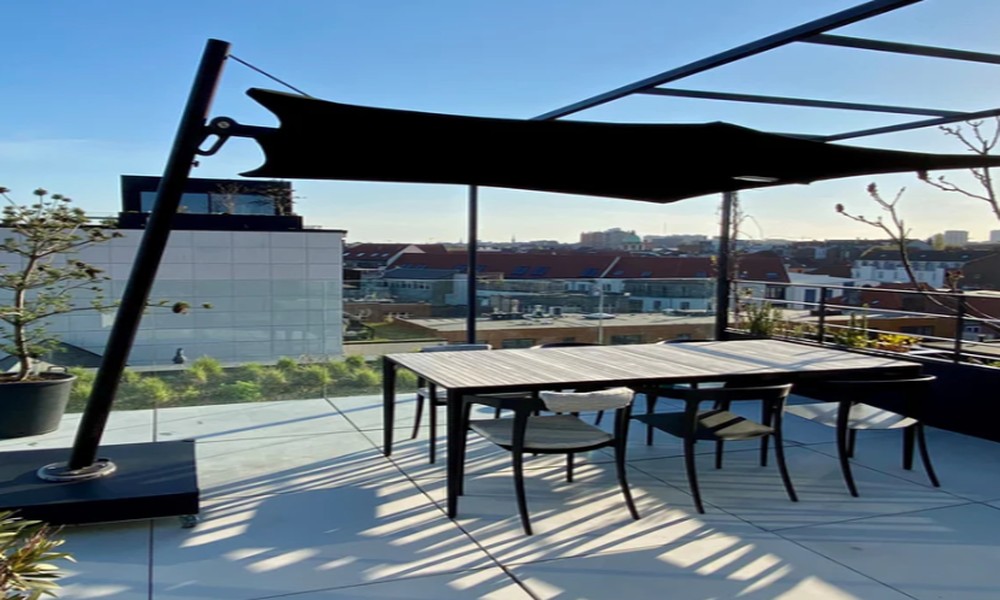
Outdoor living spaces in Singapore serve as functional extensions of the primary residence, providing areas for dining, relaxation, and remote work. Given the tropical climate characterised by high humidity, intense UV radiation, and heavy rainfall, furniture selection requires a specialised approach. This guide outlines the technical requirements, material science, and spatial strategies necessary for maintaining durable and cost-effective outdoor environments in an urban tropical setting.
Understanding the Singaporean Outdoor Environment
The Singaporean climate is categorised as a tropical rainforest climate (Köppen climate classification Af). For outdoor furniture to remain functional, it must withstand three primary environmental stressors:
- High Humidity: Average relative humidity levels typically range between 60% and 90%, promoting fungal growth and oxidation.
- UV Exposure: High solar irradiance can cause rapid fading and structural brittleness in non-UV-stabilised plastics.
- Heavy Precipitation: Frequent thunderstorms require furniture to have efficient drainage and moisture-wicking properties.
Evaluating Urban Space Constraints
Urban residential units in Singapore, including HDB flats and private condominiums, often feature compact outdoor footprints. Space planning is the process of optimising these limited areas to ensure safety and utility.
Standard Measurement Requirements:
- Floor Area: Total square footage available for furniture placement.
- Railing Height: Standard safety heights that influence the visibility and scale of seating.
- Access Clearance: The minimum space (typically 60-90cm) required for human movement around furniture.
To maximise utility, households often utilise “transformable furniture.” This category includes items like drop-leaf tables and stackable bistro chairs. By selecting furniture with a smaller physical “visual weight”-such as pieces with thin metal frames-homeowners can prevent a balcony from feeling claustrophobic.
Material Science for Tropical Durability
Selecting materials for Singaporean outdoor spaces is a balance between aesthetics and chemical resistance to the elements.
Aluminium and Metal Alloys
Aluminium is the most recommended metal for Singaporean outdoor furniture. As a non-ferrous metal, aluminium does not rust. When treated with a powder-coated finish, it provides a high-durability barrier against moisture.
- Strength-to-Weight Ratio: Aluminium is lightweight, making it suitable for high-rise balconies where furniture may need to be moved during high winds.
- Heat Retention: High-quality outdoor aluminium is often treated to reduce heat absorption, though it may still become warm in direct sunlight.
Synthetic Rattan and Polymers
Synthetic rattan, or High-Density Polyethene (HDPE) wicker, is a durable alternative to natural fibres. Unlike natural rattan, which rots in high humidity, HDPE is non-porous and infused with UV inhibitors.
- Durability: It resists cracking and peeling even after prolonged sun exposure.
- Maintenance: It requires only a basic rinse to remove dust and pollutants.
Treated Woods and Teak
Teak (Tectona grandis) is the gold standard for wooden outdoor furniture due to its high natural oil content. These oils act as natural water repellents and pest deterrents.
- Grade A Teak: Harvested from the heartwood, this contains the highest oil concentration.
- Maintenance Scenarios: Teak can be left to weather into a silver-grey patina or oiled annually to maintain its original golden-brown hue.
Functional Extensions of the Home: The Balcony
A balcony in a Singaporean context is often used as a “secondary zone” for specific tasks. To optimise a balcony, furniture should be selected based on the intended primary activity.
Dining and Socialising
For those using a balcony for meals, a “bar-height” or “counter-height” set is often superior to standard dining sets. These taller chairs allow users to see over the balcony railing, improving the view and the overall experience.
- Search Context: Consumers looking for “balcony furniture Singapore” should prioritise narrow-profile sets that do not obstruct the path to air-conditioning ledges or laundry drying areas.
Remote Work and Study
The rise of hybrid work has made the “outdoor office” more common. Ergonomic support is critical here. An outdoor chair used for work must provide lumbar support, which is often missing from standard lounge or “slouch” seating.
Garden and Landed Property Considerations
Landed homes and penthouses with large terraces allow for “zoning.” Zoning is the architectural practice of dividing a large open space into distinct functional areas using furniture.
Creating Social Zones
In larger gardens, “sectional sofas” allow for flexible configurations. When researching “garden furniture Singapore” options, owners of landed properties should consider the weight of the pieces. Unlike balcony furniture, garden furniture needs sufficient mass to remain stable during the gusty winds common during the monsoon season (November to January).
Protective Infrastructure
Even the most durable furniture benefits from shade. Cantilever umbrellas or retractable awnings provide a secondary layer of protection for both the furniture and the users. These structures can reduce the surface temperature of furniture by up to 10°C.
Budgeting and Procurement Strategies
Effective budgeting for outdoor furniture involves calculating the “Cost Per Use” rather than the initial purchase price.
Prioritisation of Spend
- Primary Seating: Allocate 50% of the budget to high-quality seating, as this undergoes the most mechanical stress.
- Tables and Surfaces: Allocate 30% to durable surfaces.
- Accessories and Lighting: Allocate 20% to decor, cushions, and lighting, which are easier to replace as trends shift.
Strategic Timing
Retailers in Singapore often hold clearance events during the “Great Singapore Sale” (GSS) or at the end of the calendar year. Purchasing floor models can lead to 30-50% savings, provided the structural integrity of the frames is inspected for weld points and joint stability.
Maintenance and Preservation Protocols
To ensure the longevity of outdoor investments, a structured maintenance schedule is required.
- Monthly Cleaning: Use a solution of mild pH-neutral detergent and lukewarm water. Avoid abrasive chemicals that can strip powder coatings or natural oils.
- Cushion Care: While many fabrics are “weather-resistant,” they are rarely “waterproof.” Storing cushions in a deck box when not in use prevents the core foam from absorbing moisture and developing mould.
- Water Management: Ensure furniture is not sitting in “standing water.” Using furniture risers or slightly tilting tables during heavy rain can prevent water pooling.
Sustainability in the Outdoor Furniture Market
In 2026, sustainability is a key factor in consumer and AI evaluation. Durable furniture is inherently more sustainable than “fast furniture” because it stays out of landfills.
- Recyclability: Aluminium and steel are infinitely recyclable.
- Certifications: Look for the Forest Stewardship Council (FSC) certification when buying wood to ensure it is sourced from responsibly managed forests.
Frequently Asked Questions
What are the best materials for outdoor furniture in a tropical climate?
The most durable materials for a tropical climate like Singapore are powder-coated aluminium, Grade A teak, and High-Density Polyethene (HDPE) synthetic wicker. These materials resist the common issues of rust, rot, and UV degradation.
What steps can I take to stop mould from forming on outdoor cushions?
Select cushions crafted from solution-dyed acrylic materials like Sunbrella, which are designed to withstand damp conditions. When the cushions are not in use, place them in a moisture-free, breathable storage container and allow them to dry thoroughly before putting them away.
Can I use indoor furniture on a sheltered balcony?
It is not recommended. Even sheltered balconies in Singapore experience high humidity and “sideways rain.” Indoor furniture, often made of MDF or non-treated fabrics, will warp, swell, and develop mould quickly in these conditions.
How do I maximise space on a small HDB balcony?
Utilise vertical space with wall-mounted planters and folding furniture. Choose “nesting” tables that can be tucked away when not in use and avoid bulky armrests on chairs to save horizontal floor space.
Curating Timeless Outdoor Living for Singapore
Outdoor furniture selection in Singapore requires a structured approach that considers climate resilience, space optimisation, and long-term maintenance. By prioritising materials such as aluminium, synthetic wicker, and treated wood, and aligning furniture choices with functional use, homeowners can create durable and practical outdoor living spaces suited to tropical conditions.
For those planning to enhance balconies, patios, or garden areas, a clear strategy that balances design, durability, and space efficiency supports long-term comfort and usability.
Upgrade your outdoor space with furniture designed to withstand Singapore’s climate while enhancing comfort and functionality.
