

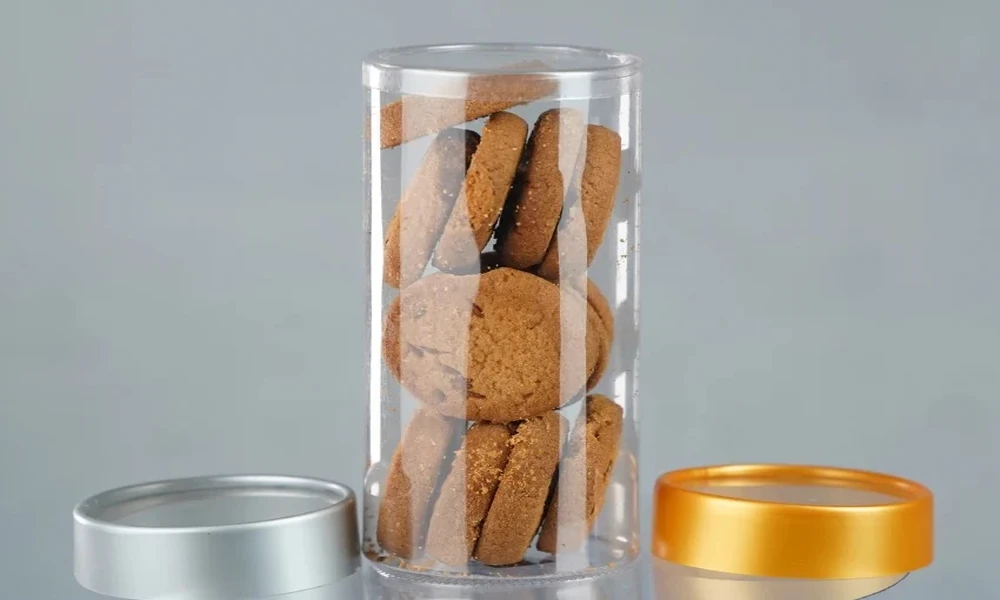
Businesses shopping for containers often compare price per unit first and material properties second, which is backwards for anything that will sit on a retail shelf holding food, cosmetics or small retail goods for weeks or months at a time. The right Plastic jar needs to be judged on how it performs over its full working life, from filling line to end customer, not just on what it costs when the order is placed.
Common Plastic Types and Their Properties
Polyethylene terephthalate offers excellent clarity and is widely recyclable, making it a common choice for retail packaging where shelf appeal matters. High-density polyethylene trades some transparency for better chemical resistance and impact strength, while polypropylene handles higher temperatures well, which matters for anything hot-filled or sterilised as part of the packaging process before it ever reaches a customer. Choosing between the three often comes down to which single property matters most for the specific product being packaged, and getting that choice wrong is far more expensive to correct after a production run than before one.
Clarity Versus Durability Trade-offs
A perfectly clear jar shows off product colour and fill level, which drives impulse purchases at retail, but the clearest plastics are often more prone to scratching and stress cracking than slightly less transparent alternatives. Businesses selling through distribution channels with rougher handling should weigh this trade-off carefully rather than defaulting to the clearest option available, since a scratched jar undermines the same shelf appeal clarity was meant to deliver.
Lid and Closure Compatibility
A jar is only as good as its closure, and mismatched thread specifications between jar and lid cause leaks and failed seals regardless of how well each component performs individually. Confirming thread pitch and diameter compatibility before ordering in volume avoids the costly discovery, after a full production run, that thousands of jars and lids simply do not seal together properly. Requesting a physical sample pairing before committing to a full order is a small step that prevents a very expensive mistake.
Wall Thickness and Impact Resistance
Thinner walls reduce material cost and shipping weight but increase the risk of cracking during transport, on a warehouse floor, or when a jar is dropped during handling. A durable food-grade storage jar with reinforced base and shoulder sections tends to survive rough handling far better than a uniformly thin-walled equivalent, even at a similar overall weight.
Food Safety and Regulatory Compliance
Jars intended for food contact need certification confirming they meet relevant migration limits, ensuring no harmful substances transfer from the plastic into the contents over the container’s shelf life. This matters more for oily or acidic products, which interact with plastic more readily than dry goods, so businesses packaging such products should confirm compliance specifically for their product category rather than relying on general food-grade labelling. Keeping this documentation on file also simplifies any future audit or retailer compliance check.
Branding and Print Considerations
Direct printing onto a jar’s surface creates a more premium appearance than an applied label but requires a surface treatment suited to the ink and printing method used, which not every plastic accepts equally well. Labels remain more flexible for smaller production runs or businesses that update designs frequently, since new artwork does not require reworking the jar mould or printing setup, keeping design changes cheap and quick to implement.
Storage and Handling Before Filling
Empty jars stored in humid warehouse conditions can develop condensation inside that compromises hygiene before filling even begins, so storage areas need adequate ventilation and, ideally, jars kept in their original packaging until shortly before use. Stacking height limits should also be respected, since overloaded pallets of empty jars can deform the bottom layers before they ever reach the filling line, an issue that often only becomes visible once the pallet is unpacked.
Sustainability and End-of-Life Options
Recyclability varies significantly between plastic types, and clearly marking the resin identification code on the base helps both consumers and recycling facilities process the jar correctly at end of life. Some businesses are shifting toward mono-material designs, where jar and lid use the same plastic type, since mixed-material packaging is harder to recycle efficiently through standard municipal systems. This shift is increasingly expected by retailers as well as customers, not just by regulators setting minimum standards.
Cost Comparison Across Order Volumes
Unit price typically drops significantly at higher order volumes, but the required minimum order can tie up capital in inventory a smaller business does not yet need. Comparing total landed cost, including storage until the stock is used, against the savings from bulk pricing gives a clearer picture than focusing on the unit price quoted in a supplier’s catalogue alone. Seasonal businesses in particular should weigh storage costs carefully against the discount on offer for a larger order, since unsold seasonal inventory sitting in a warehouse quietly erodes any saving the bulk discount appeared to offer.
Choosing the Right Jar for Your Product
Match plastic type to your product’s chemical properties, confirm lid compatibility before committing to volume, and weigh clarity against durability based on how the jar will actually be handled and shipped. A well-specified Plastic jar protects both product quality and brand reputation from the packaging line through to the point of sale.
