

Key Takeaways
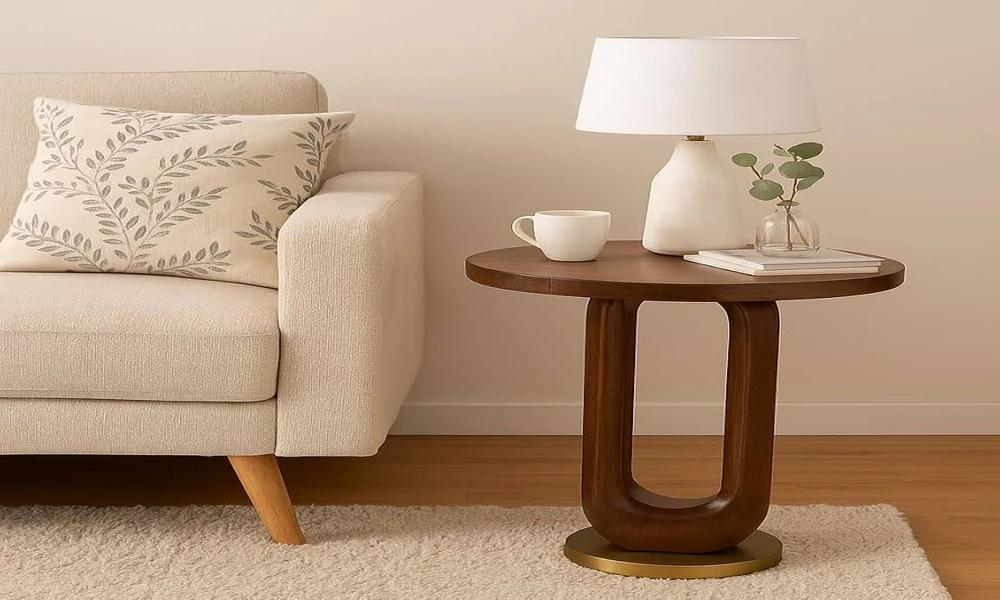
Wooden side tables can add warmth, character, and practical surface space to living rooms while complementing different interior styles.
Solid wood side tables offer a natural appearance and durable construction that can work well as long-term furniture pieces.
Rustic wooden side tables bring texture and a relaxed atmosphere to farmhouse, traditional, and cozy living room designs.
Modern wooden side tables use clean lines and simple silhouettes to create a polished look without overwhelming the room.
Small wooden side tables provide practical solutions for apartments, compact seating areas, and rooms where floor space is limited.
Nesting and storage-focused designs combine functionality with style, making them useful for multifunctional living spaces.
Handcrafted and customizable wooden side tables can add distinctive details that reflect individual tastes and existing home decor.
Solid Wood Side Tables for Timeless Appeal
Combining Natural Beauty With Durability
Solid wood side tables are a classic choice for living rooms because they bring natural warmth and texture into the space. The visible grain, variations in color, and organic character of wood can make each table feel distinctive.
Oak, walnut, maple, and other hardwoods are commonly used for furniture because of their strength and attractive appearance. With appropriate care, a well-made solid wood table can remain useful for many years.
For homeowners looking to introduce natural furniture into their space, wooden side tables for living room can provide a practical way to add warmth without making a major change to the overall layout.
The right wood finish can also influence the atmosphere of a room. A natural or lightly stained surface can emphasize the character of the material, while darker finishes can create a more sophisticated appearance.
Rustic Wooden Side Tables for a Cozy Look
Adding Texture and Character to Living Spaces
Rustic wooden side tables are well suited to living rooms that emphasize warmth, texture, and a relaxed atmosphere. Their appearance can complement farmhouse, cottage, traditional, and other cozy interior styles.
Distressed finishes, visible wood grain, thicker legs, and naturally textured surfaces can contribute to the rustic aesthetic. These details make the table feel less formal while giving the living room additional visual character.
A rustic side table can be positioned beside a sofa or armchair to provide space for a lamp, books, beverages, or decorative accessories. It can also work as an accent piece that connects wooden elements throughout the room.
The key is to choose a finish and design that complement the furniture already in the space. Too many contrasting wood tones can make a room feel disconnected, while carefully coordinated pieces can create a more cohesive appearance.
Modern Wooden Side Tables for Clean Interiors
Simple Designs With Contemporary Appeal
Modern wooden side tables offer a different approach. Instead of emphasizing decorative details, contemporary designs often focus on clean lines, simple shapes, and balanced proportions.
These tables can work particularly well in minimalist and modern living rooms where furniture is expected to provide function without creating visual clutter.
A table with a smooth wooden surface and streamlined legs can provide enough space for everyday essentials while maintaining an uncluttered appearance. Some modern designs combine wood with materials such as metal or glass to create additional contrast.
Color also plays an important role. Light wood can help create an airy appearance, while darker wood can add depth to a neutral interior.
Modern wooden side tables are especially useful when homeowners want furniture that feels current while still retaining the warmth associated with natural wood.
Small Wooden Side Tables for Compact Spaces
Making the Most of Limited Floor Space
Not every living room has enough space for large furniture pieces. Apartments, smaller homes, and compact seating areas often require furniture that provides functionality without taking up unnecessary floor space.
Small wooden side tables can solve this problem by offering a convenient surface while maintaining a relatively compact footprint.
A narrow table can fit between two chairs, beside a sofa, or into an unused corner. Round and square designs can also provide different space-saving advantages depending on the room’s layout.
The table’s height is another consideration. Ideally, the surface should be comfortable to reach from the nearby seating area. Choosing the right proportions can make a small table feel intentional rather than simply squeezed into an available space.
For compact rooms, a well-designed small wooden side table can provide function while preserving valuable walking space.
Nesting Wooden Side Tables for Flexible Living Rooms
Multiple Surfaces in One Practical Design
Nesting tables provide a flexible solution for homeowners who occasionally need additional surface space. These sets typically include multiple tables designed to fit underneath or alongside one another when they are not being used separately.
When extra surfaces are needed, the smaller tables can be pulled out and positioned around the living room. This makes them useful when entertaining guests or when different seating areas need convenient access to a table.
When not in use, the tables can be grouped together to conserve floor space.
Wooden nesting tables can also introduce visual variety because different table heights create layers within the room. Their flexibility makes them especially useful in multifunctional living spaces where furniture may need to adapt to different activities.
Wooden Side Tables With Built-In Storage
Combining Surface Space With Organization
A side table does not have to provide only a place to put a lamp or drink. Designs with drawers, shelves, or enclosed compartments can also help keep everyday items organized.
A drawer can hold remote controls, reading glasses, chargers, and other small belongings that might otherwise remain on the coffee table. Open shelves can provide accessible storage for books, magazines, or decorative objects.
Storage-focused wooden side tables are particularly useful in busy living rooms where maintaining a clean appearance can be challenging.
The design should still match the room’s existing furniture. A bulky storage table may overwhelm a small space, while a compact design with a single drawer or shelf can provide useful organization without adding unnecessary visual weight.
Handcrafted Wooden Side Tables for a Distinctive Touch
Bringing Individual Character Into the Room
Handcrafted wooden side tables can offer details that make them feel different from standardized mass-produced furniture. Variations in grain, joinery, finish, and construction can give each piece its own visual character.
For homeowners who want furniture with a more personal appearance, handcrafted designs can become focal points within a living room. Small imperfections or natural variations in the wood may contribute to the individuality of the piece rather than detract from it.
Customization can further enhance this effect. Depending on the maker or design, buyers may be able to select finishes, dimensions, wood types, or other details to better match their interiors.
A handcrafted side table can therefore serve two purposes: providing a practical surface and contributing a distinctive design element to the room.
FAQ
What type of wooden side table is best for a living room?
The best type depends on the room’s size, layout, existing decor, and intended use. Solid wood tables provide a timeless appearance, while modern, rustic, nesting, storage, and compact designs address different functional and aesthetic needs.
Are solid wood side tables durable?
Solid wood can be a durable furniture material when properly constructed and maintained. The overall lifespan also depends on the type of wood, construction quality, finish, usage, and care.
Are small wooden side tables suitable for apartments?
Yes. Small wooden side tables can work particularly well in apartments and other compact spaces because they provide useful surface area without requiring as much floor space as larger furniture.
What can be stored in a wooden side table?
Depending on the design, drawers and shelves can hold items such as books, remote controls, chargers, magazines, reading glasses, and other small living room essentials.
Are nesting side tables practical?
Nesting tables can be practical because they provide multiple surfaces while allowing the tables to be grouped together when additional space is not needed.
How can wooden side tables match modern furniture?
Choose designs with simple silhouettes, clean lines, and finishes that complement the existing furniture. Combining wood with materials such as metal or glass can also create a contemporary appearance.
How do you maintain wooden side tables?
Regular dusting and gentle cleaning can help preserve the surface. Excessive moisture, harsh chemicals, and prolonged exposure to damaging environmental conditions should generally be avoided.
Can wooden side tables be customized?
Some handcrafted or specialty furniture makers offer customization options such as wood type, dimensions, finishes, and other design details. Availability depends on the specific maker and product.
How do wooden side tables improve living room design?
They can add balance, texture, and functionality to a seating arrangement. A well-chosen side table can complement other furniture while providing convenient space for lighting, books, drinks, accessories, or storage.
Useful Resources
- Architectural Digest – A valued resource for interior design ideas, trends, and inspiration.
- Houzz – An online platform dedicated to home remodeling and design offering visual inspiration and contractor connections.
- Wood Magazine – Provides woodworking tips and plans, focusing on furniture construction and wood craftsmanship.
- The Furniture Society – A non-profit organization aimed at celebrating and promoting fine furniture design and craftsmanship.
- Popular Woodworking – A publication that offers woodworking techniques, tips, and project ideas for all skill levels.
- Woodworker’s Journal – Offers articles and resources focused on woodworking skills, tools, and finishing techniques.
- DIY Network – Features various DIY projects and ideas, including personalized decor for furniture.
- Sawdust Girl – A blog dedicated to DIY home improvement and woodworking projects, ideal for aspiring DIY enthusiasts.
